
.svg)
.svg)
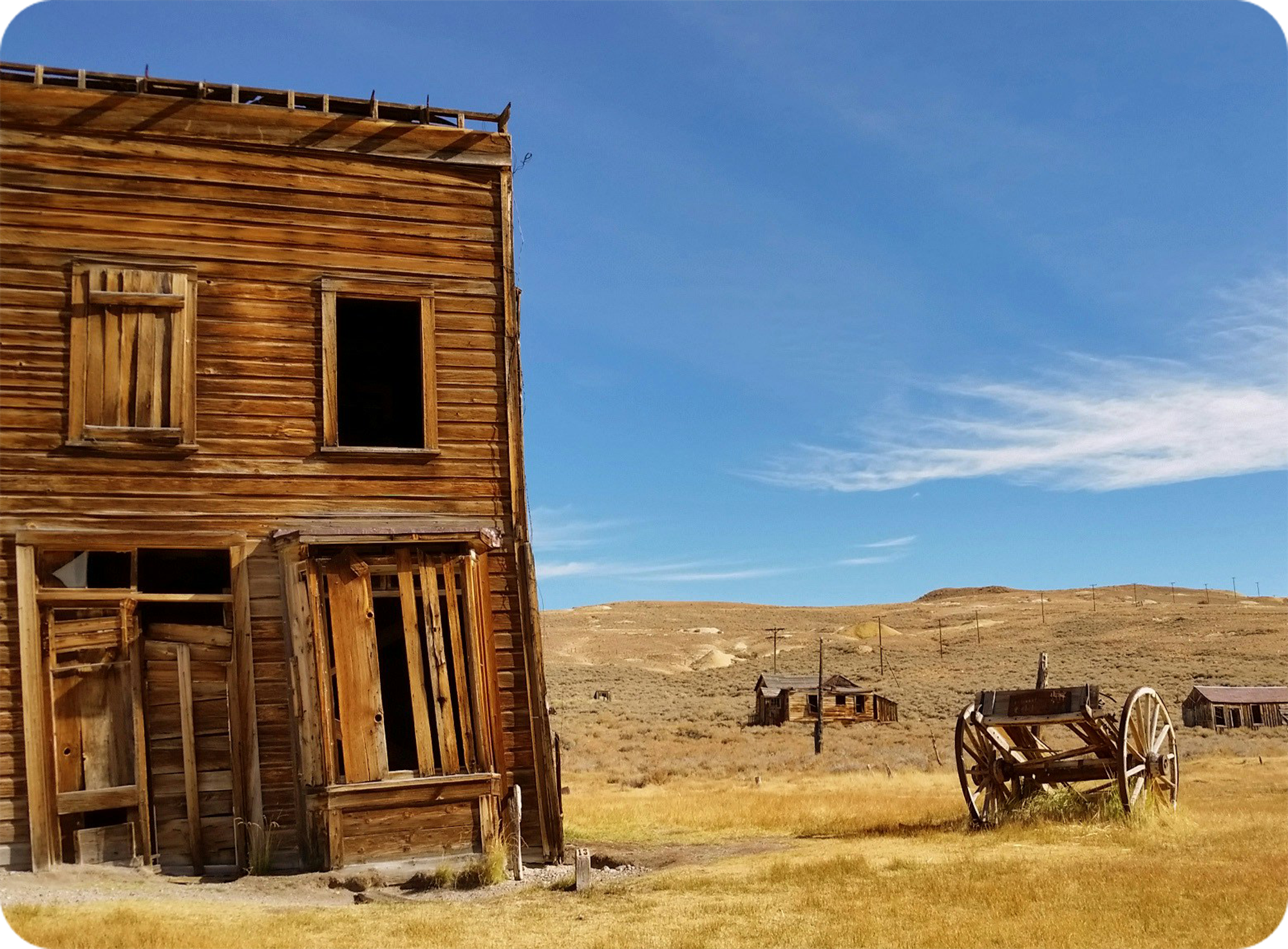
Hiring Someone to Build Your Website Can Feel Like the Wild West

Embarking on a new web design project can feel just as scary as it is exciting. You probably have a vision for what you want your website to look like, but just as many questions about how you’ll actually get there.
How much will this cost? Can I trust this person or team? Will they understand what I’m trying to do?
You’re not alone — the whole process can feel like the Wild West.
There are so many options out there today that it’s easy to hit a point of complete decision paralysis. On one end of the spectrum, if you’re a solo founder trying to launch an MVP, you can probably find someone hungry for work who will throw a site together for a hundred bucks. On the other end, if you’re at a giant like Microsoft leading a major initiative, your web budget might stretch into the millions.
And then there’s everything in between, which is where most people reading this probably fall.
Before starting my freelance business, I co-founded an agency where I was responsible for building a full team of contractors on Upwork. I’ve seen it all — the good, the bad, and the “I can’t believe they sent this.” I’ll write more about that in another post.
But for now, here’s the part most people don’t tell you:
There’s no single right way to get a website built.
There are options, and each one comes with tradeoffs.
Your Options (and What They Really Mean)
1. A Solo Freelancer
Upside: Usually affordable, flexible, personal.
Downside: Skillsets vary wildly. Some may be incredible with design but not a coder. And vice versa.
2. A Small Boutique Studio
Upside: A tighter team, good communication, more polished work.
Downside: Higher cost, limited capacity.
3. A Mid-sized Agency
Upside: Resources, structure, and a bigger skillset.
Downside: You may not meet the actual people doing the work. Layers can get confusing.
4. Overseas Developers
Upside: Cost savings, especially for MVPs or simpler sites.
Downside: Language barriers, time zones, and differences in quality standards.
5. DIY Platforms (Squarespace, Webflow) or AI Builders
Upside: Faster and budget-friendly.
Downside: Limited flexibility, so harder to scale as your business grows. Also, depending on your technical skills, some may be confusing.
No option is inherently good or bad.
You just need the one that fits your situation.
Common Pitfalls Most People Don’t See Coming
This is where things go sideways for a lot of people:
- Hiring based solely on price
- Not reviewing past work beyond screenshots
- Assuming “pretty” means “well-built”
- Not asking about site speed, hosting, or long-term maintenance
- Hiring without meeting the person doing the build
- No clear scope, no timeline, no plan
A website can look great on the surface but be held together with duct tape underneath. That’s usually where the future headaches come from.
What to Look For in a Good Partner
No matter who you hire, here are a few signs you’re in good hands:
- They explain things clearly without overselling
- They ask questions about your business, not just your color palette
- They can walk you through their process
- Their timelines make sense
- Their pricing is transparent
- They listen
- They don’t make wild promises
If you have those things, you’re already ahead of most people diving into a new website project.
Where I Fit Into All of This
My business may not be the right fit for everyone, and that’s completely fine. I’ll always take a call to help you navigate the options, even if we don’t end up working together.
I’m an individual freelancer who both designs and develops, which means you don’t have to worry about your vision getting lost between teams. But when a project needs it, I can scale up by bringing in trusted contractors — people you’ll actually meet along the way.
My approach is simple: clear communication, thoughtful design, clean development, built to work, and a process that’s transparent from start to finish.
If you’re feeling overwhelmed or unsure of the best path forward, send me a message. I’m happy to help point you in the right direction — even if I’m not the one who builds your site.
More Web Stuff You May Actually Enjoy
No fluff, no buzzwords — just useful reads from real experience.